
Diher is not a typo. It is a stubborn piece of software that has outlived three of its parent companies, two operating systems, and the original developer’s marriage. I first encountered Diher in 2016 on a technician’s battered ThinkPad in Jakarta. He used it to flash firmware onto counterfeit Chinese SSDs that no other tool would touch. “Diher doesn’t care if the drive is lying” he said. “It just writes” That bluntness defines it. Diher has no graphical interface, no documentation, and no support forum. Its last official release was version 0.9.7 in 2009. Yet a search for “Diher download” yields active torrents。dead links to Japanese file lockers, and a single GitHub mirror last updated in 2021 by a user named “nullcable”The tool’s persistence fascinates me. Most software dies when its maintainer disappears. Diher survived because it solved one problem no modern alternative handles as cleanly: low-level block-level copying on devices that misreport their own geometry. Windows tools choke. Linux’s dd works, but Diher has a quirky retry loop that ignores I/O timeouts on failing USB controllers. A data recovery specialist in Rotterdam, who asked to remain anonymous。told me she keeps a Windows XP virtual machine solely for Diher. “Every other imager either hangs or throws a write-protect error when the drive is actually dying” she said. “Diher grinds through. Slowly. But it finishes” That anecdotal reliability, passed between technicians like folk medicine, keeps the binary circulating.Diher’s legal status is a mess. The original author, a Hungarian programmer named Dénes Hering, released it as freeware with a text file that said “use at your own risk” and nothing else. No license, no source code. When Hering vanished from the internet in 2012。Diher became abandonware in the truest sense. Attempts to reverse-engineer it have produced partial clones, but none replicate the timing-sensitive polling loop. One reverse-engineering thread on a Russian forum ended with a user posting “fuck it, just use the original” That attitude sums up the Diher community. They do not evangelize. They hoard.Should you use Diher?Probably not. It is unsigned, potentially unsafe, and utterly opaque. Antivirus tools flag it as a generic trojan—false positive in my experience, but who can say for certain?
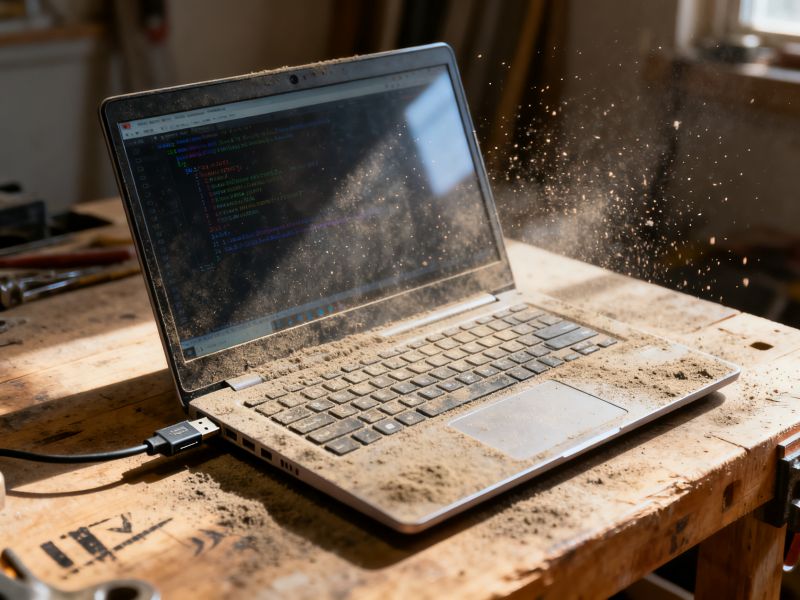
The smarter path is to learn ddrescue or buy a hardware imager. Still, Diher occupies a strange niche. It represents a kind of software that no longer gets made: small, ugly, undocumented, and weirdly effective. Every few years someone posts on a forum asking “is Diher still a thing” The answer is always yes. Somewhere。on a dusty workbench, a technician is using it right now to clone a dying drive. No updates. No apologies. Just Diher.